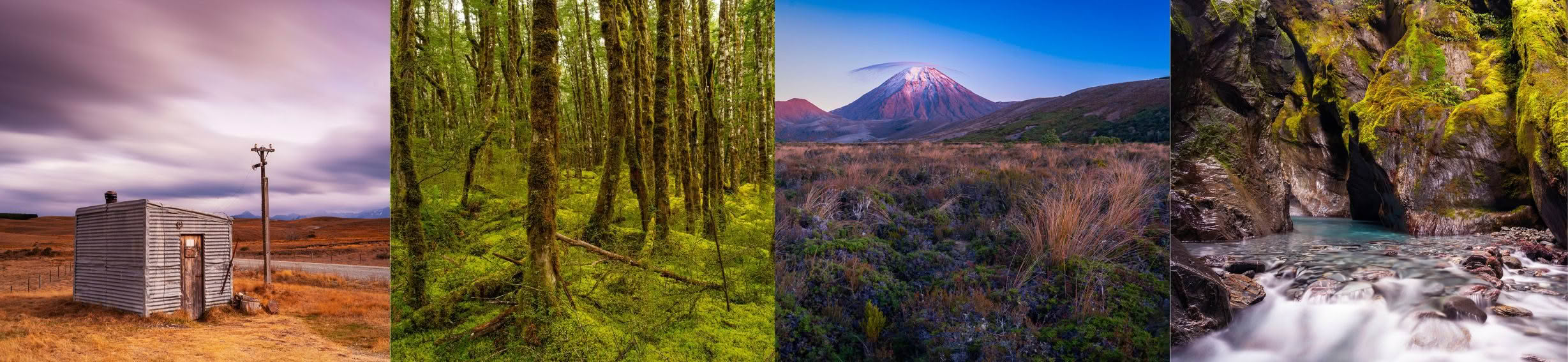
Fiordland is a unique environment that humbles you the moment you arrive. The scale is immense, the weather constantly shifting, and scenery is rugged and wild – which is why it’s such an amazing destination for landscape photography.
This remote corner of the South Island is defined by deep fiords, vertical mountains, ancient rainforest and waterfalls that appear and disappear with the rain.
These locations sit within Fiordland National Park, which protects some of the most remote and dramatic landscapes in New Zealand. In this guide, I’ll share five standout photography locations in Fiordland — places I return to time and again, and locations that form the backbone of my Fiordland photography tours.
1. Milford Sound – Fiordland at Its Most Dramatic
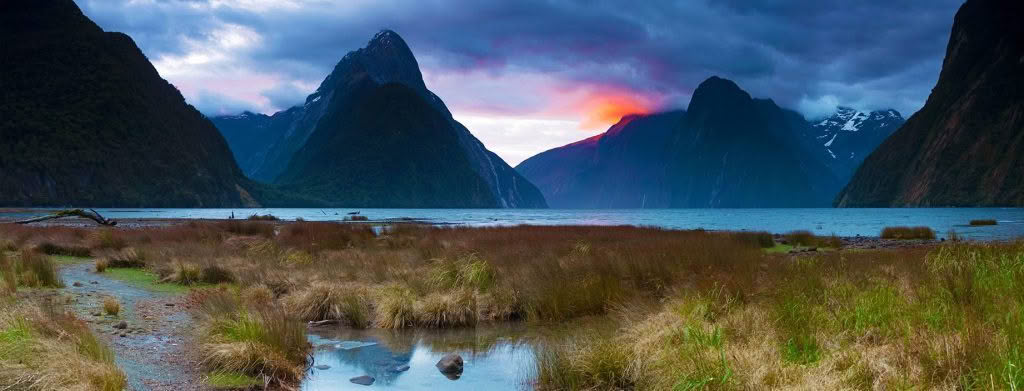
Milford Sound (Piopiotahi) is often the first image people think of when they picture Fiordland — and for good reason. Towering cliffs rise straight from the water, waterfalls spill hundreds of metres after rain, and the light constantly shifts as clouds move through the fiord.
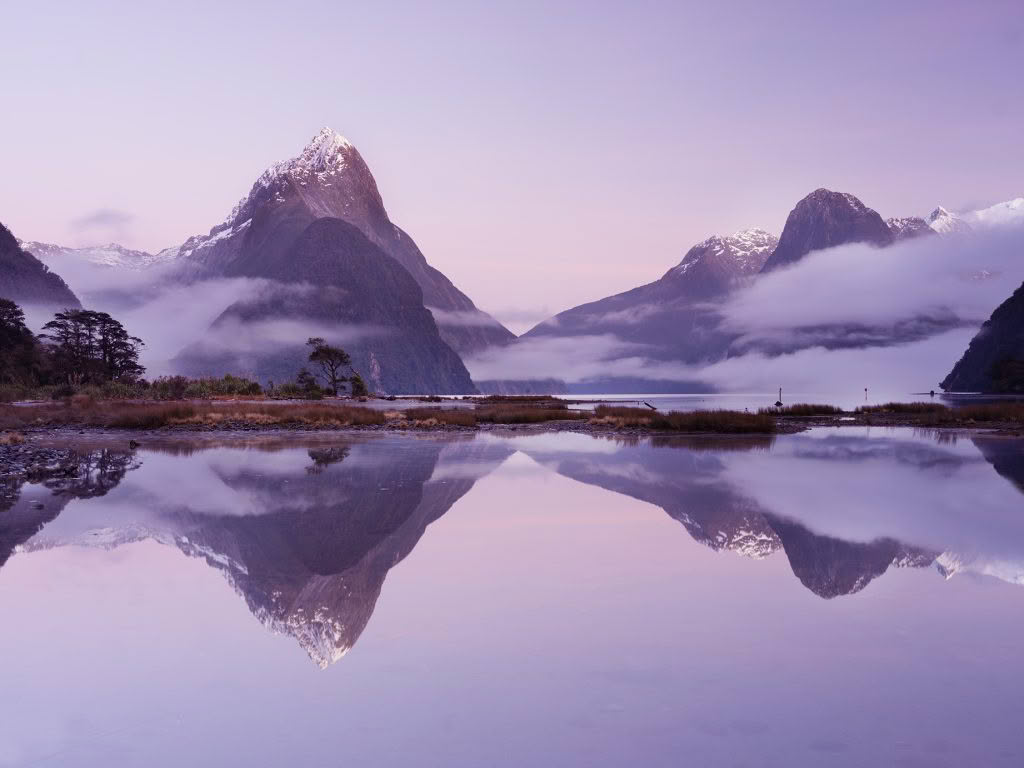
From a photography perspective, Milford Sound offers variety in a relatively compact area. Early mornings can bring calm reflections and moody cloud, while wet weather transforms the landscape again.
Photography tips:
-
Overcast and rainy days are often better than blue skies
-
Look beyond the classic viewpoints — details, waterfalls and changing weather tell a great story
-
Boat-based photography opens up entirely different angles
Milford Sound is a place where conditions change quickly or fleeting shafts of light can appear for just a few seconds, like in the image below. Knowing how to respond to that is one of the key’s to making strong images here.
2. Doubtful Sound – Quiet and Remote
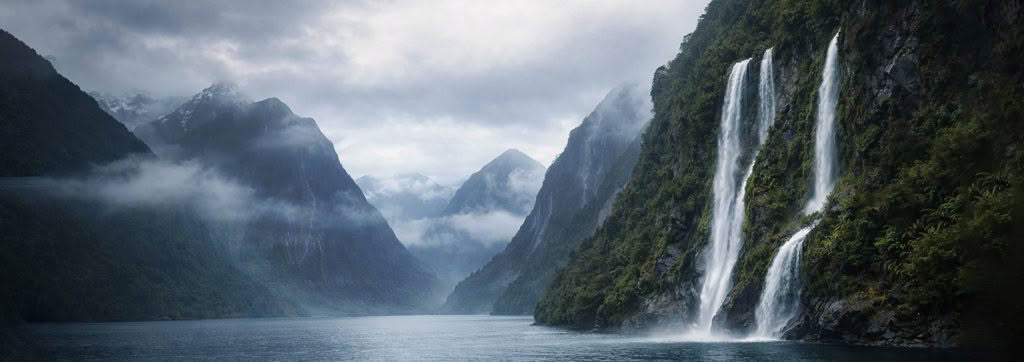
If Milford Sound is dramatic, then Doubtful Sound is slower and quieter. Reaching it takes time – a boat across Lake Manapouri, a drive over Wilmot Pass, then another boat – but that journey is part of the experience.
Doubtful Sound feels vast and quiet. On still days, the water becomes a dark mirror. On misty days, the surrounding peaks fade into layers of grey and green. It’s a place that suits photographers who enjoy subtlety and atmosphere.
Why photographers love Doubtful Sound:
-
Fewer visitors and a stronger sense of isolation
-
Great tonal range on overcast days
-
Long, calm stretches perfect for wide compositions
Staying overnight on the fiord allows you to experience it when most visitors have left and of course capture the mood of dusk and dawn.
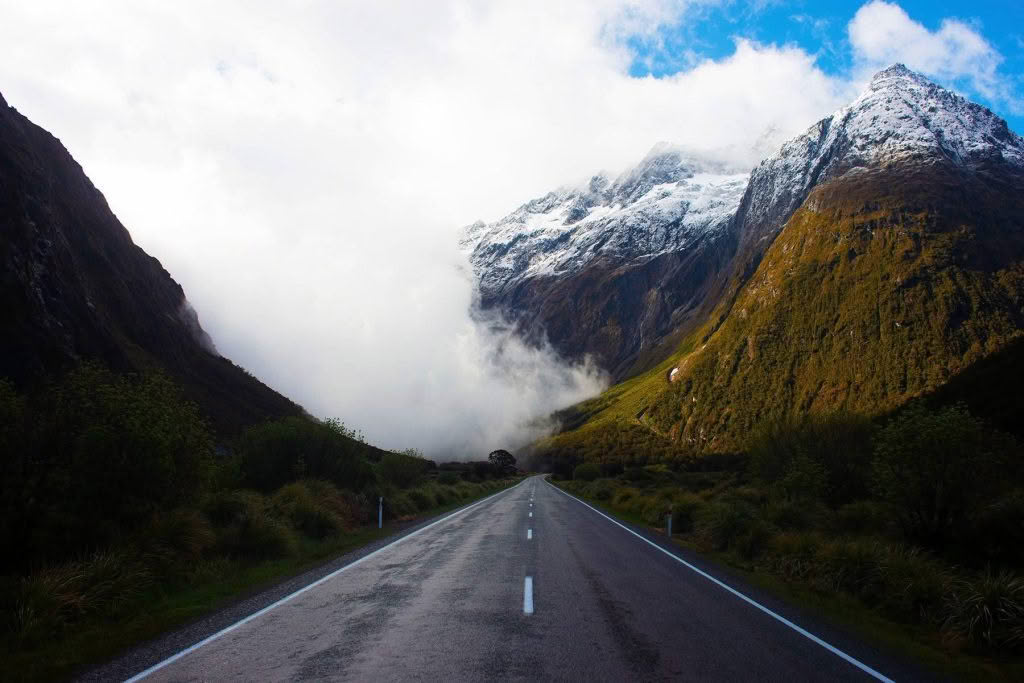
3. The Milford Road – A Journey of Endless Possibilities
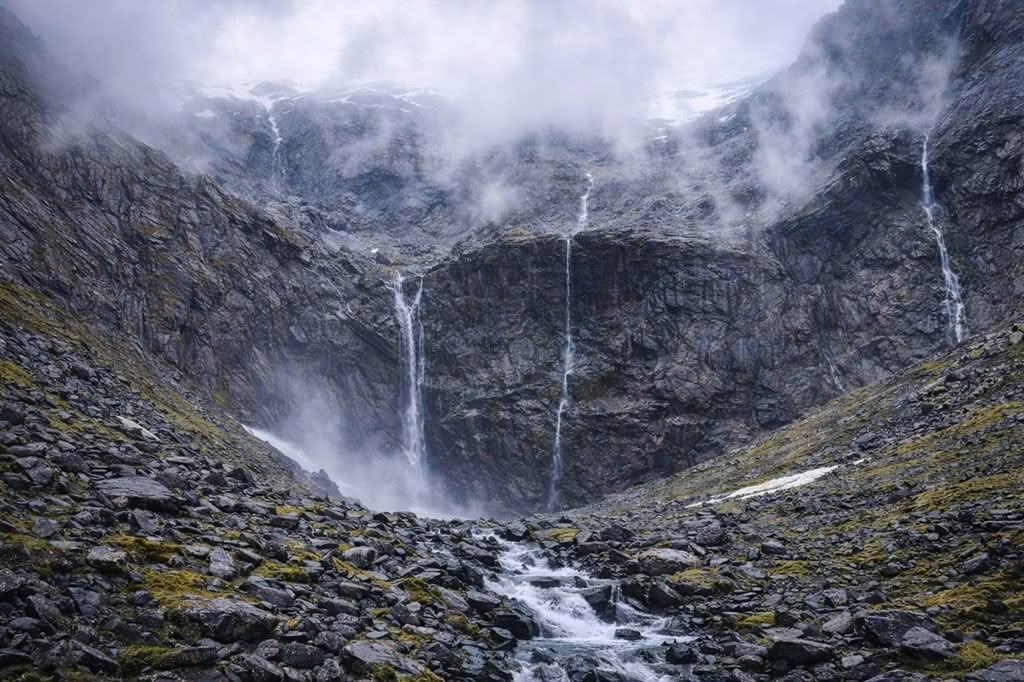
The road between Te Anau and Milford Sound is one of the richest photography corridors in the country.
Lined with alpine valleys, rugged rivers, moss-laden forest, waterfalls and sheer rock faces, the Milford Road journey offers many rewards.
What makes the Milford Road special:
-
Dozens of informal pull-offs and short walks
-
Huge variety of landscapes in a single day
-
Constantly changing light and weather
Rather than rushing through, I encourage photographers to treat this road as a destination in its own right.
4. Short Walks in Fiordland – Small Distances, Big Rewards
One surprises of new visitors to Fiordland is how accessible some great photographic locations are. A number of short walks offer exceptional opportunities for photography, often just minutes from the road.
Marian Creek
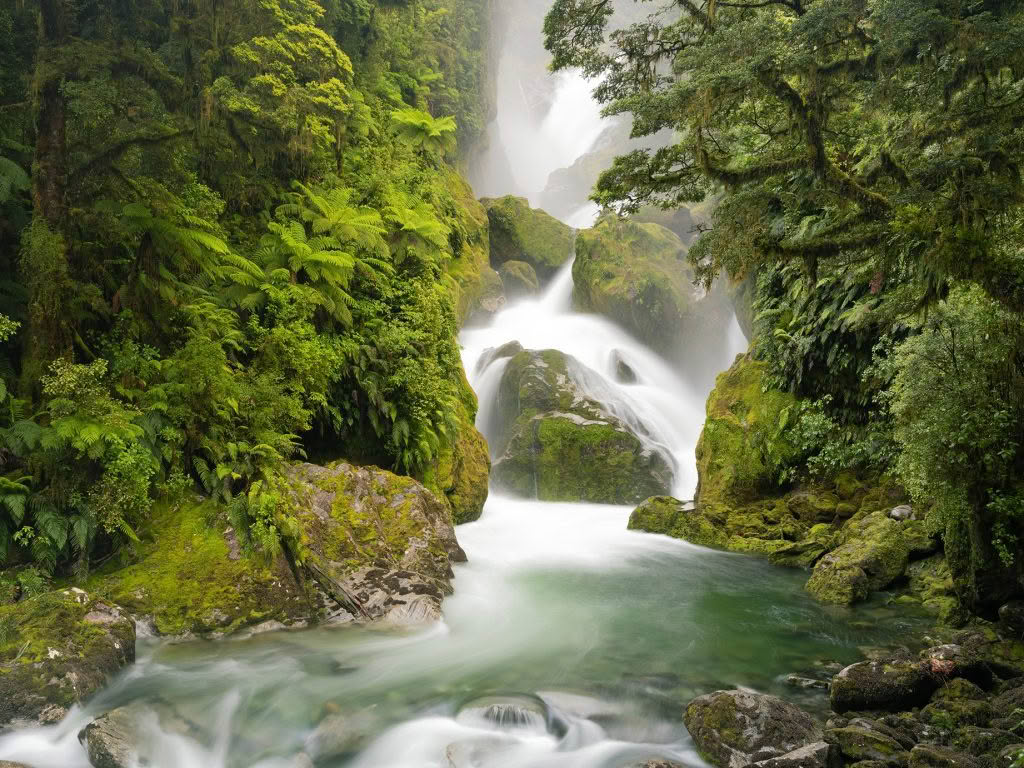
Tucked just off the Milford Road, the Marian Creek walk offers some brilliant options for landscape photography. Clear, fast-flowing water winds through forest, leading to waterfalls and beautifully textured rock pools.
Lake Gunn Nature Walk
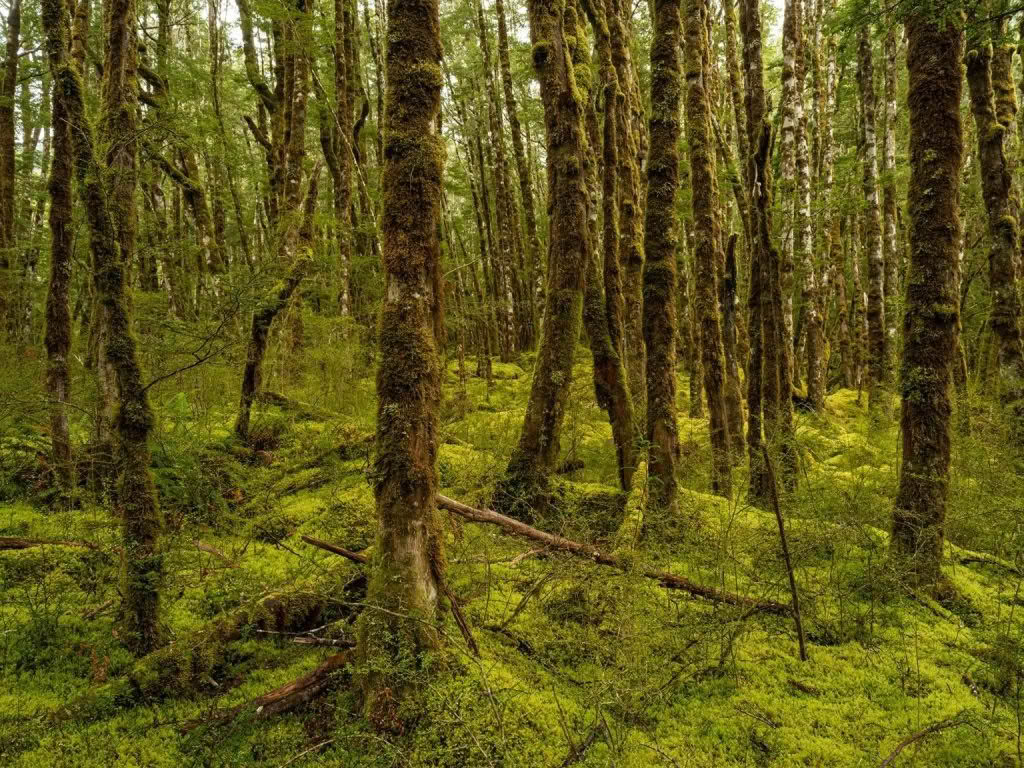
The Lake Gunn walkway offers an entirely different feel. This gentle loop track passes through ancient beech forest and along the edge of the lake, where still conditions can produce soft reflections and subtle light filtering through the trees.
It’s an excellent location for forest photography and details within natural patterns. In mist or light rain, the atmosphere here can be especially compelling.
Milford Track (Day Walk Section)
While the Milford Track is a multi-day hike, a short section from the Sandfly Point end can be accessed as a day walk. This leads to impressive waterfalls, mossy forest and bridged river crossings that offer great photographic opportunities without committing to the full track.
5. Longer Walks to Mountain Tarns and Alpine Lakes
Some of Fiordland’s most memorable lake landscapes require a little more effort to reach — and that effort is part of what makes them special. These longer walks climb above the forest, opening up alpine terrain and a strong sense of scale.
Three achievable options are:
Lake Marian
Lake Marian is reached via the Lake Marian Track, a 1.5 hour each way quite challenging climb through forest, with the final section opening into a dramatic hanging valley. The lake itself sits beneath sheer rock walls, often fed by waterfalls after rain.
The conditions here are rarely predictable, however earlier in the day before the breeze picks up is when there is a good chance of stunning reflections. The effort to get to this stunning location is definitely worth it.
Key Summit
The walk to Key Summit is just over 3 km and forms the beginning of the Routeburn Track from the Milford end. From the summit, a series of alpine tarns sits among exposed rock and tussock, with expansive views across Fiordland’s mountainous interior.
The best time to photograph Key Summit is at dawn when the soft light illuminates the mountains and there is a good chance of reflections in the tarns.
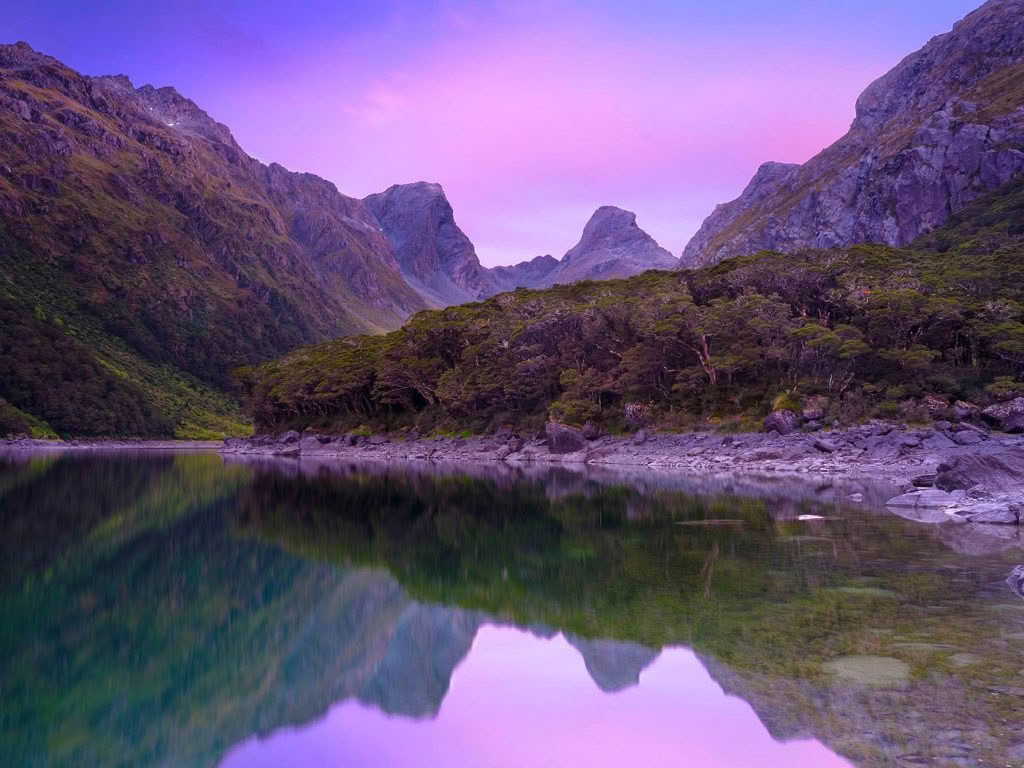
Lake Mackenzie (Routeburn Track)
Lake Mackenzie, located along the Routeburn Track, has a distinctly remote, high-alpine character. Reached after about a six hour trek, it sits in open terrain surrounded by forest and and grand peaks.
A booking will be required to stay in the Lake Mackenzie hut, but this allows the opportunity to settle in and photograph the lake from different perspectives and at golden hours of dawn and dusk.
Photographing Fiordland With Local Knowledge
Because of its remoteness and scale, Fiordland is best explored with time, flexibility, and local insight. On my Fiordland photography tour, we’re based out of Te Anau and spend six days exploring locations like Milford Sound, Doubtful Sound, the Milford Road and lesser-known stops along the way.
The focus is on being in the right place at the right time, learning how to adapt to conditions, and coming away with a deeper understanding of how to photograph in wild landscapes like this.